You've probably heard that a beautiful website is key to online success. But here's the thing - if search engines can't find it, does it even matter? I've seen countless businesses pour money into stunning designs that never get traffic because they ignored SEO from the start.
Search engine optimization web design isn't just about adding keywords. It's about building websites that both users and search engines love. Google's algorithms have gotten smarter, and they're looking for sites that load fast, work on any device, and provide real value. Miss any of those, and you're fighting an uphill battle.
📋 Key Facts at a Glance
- What it is: Designing websites with SEO principles from the ground up
- Key benefits: Better rankings, improved user experience, higher conversions
- Best for: Businesses building or redesigning websites
- Quick tip: Start with mobile-first design - Google prioritizes mobile-friendly sites
📑 In This Article
What is Search Engine Optimization Web Design?
Search engine optimization web design means creating websites that are optimized for search engines right from the start. It's not something you tack on later - it's built into every decision, from site structure to image optimization. Think of it as designing with two audiences in mind: your human visitors and Google's crawlers.
Most people make the mistake of treating design and SEO as separate things. They'll build a gorgeous site, then hire an SEO expert to "fix it." That's like baking a cake and trying to add flour after it's done. It's messy, expensive, and rarely works well.
Why It Matters More Than Ever
Google's Core Web Vitals update changed everything. Now, how your site performs directly affects your rankings. A slow-loading page doesn't just frustrate users - it tells Google your site isn't providing a good experience. And Google will push you down in search results because of it.
But it's not just about speed. Mobile responsiveness is non-negotiable. Over 60% of web traffic comes from mobile devices. If your site doesn't work perfectly on phones, you're missing most of your potential audience. Google knows this too - they've been using mobile-first indexing since 2019.
The Technical Side of SEO Web Design
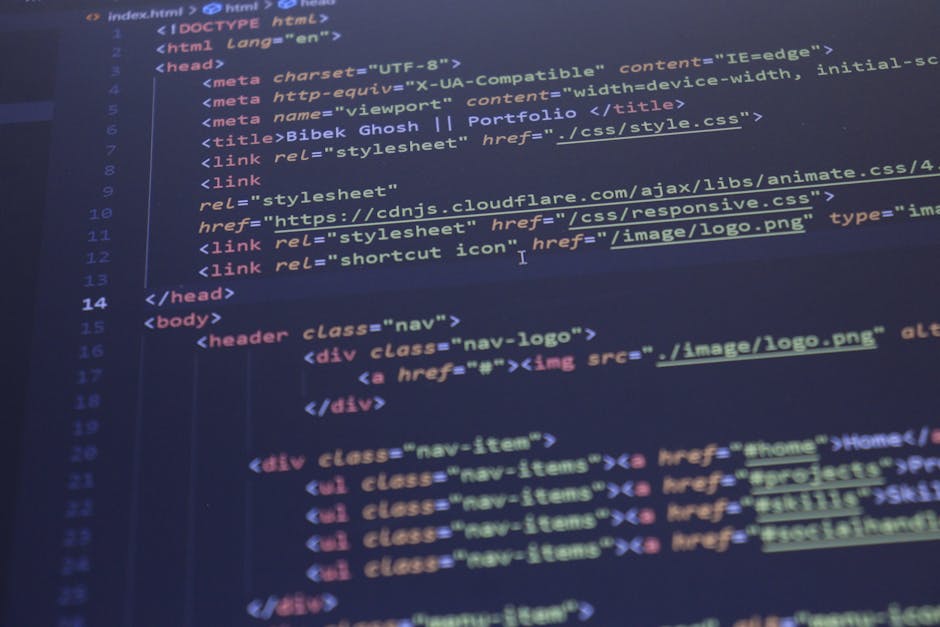
Let's talk about what actually goes into SEO-friendly design. It starts with clean code. Search engine crawlers need to understand your site structure, and messy code makes that difficult. Proper HTML tags, semantic markup, and organized CSS aren't just for developers - they help Google figure out what your content is about.
Site architecture matters too. A logical hierarchy with clear navigation helps both users and search engines. Think about how people search for information. They start broad and get specific. Your site should mirror that. A flat structure where everything is one click from the homepage might seem convenient, but it doesn't help with SEO.
| Design Element | SEO Impact | What to Do |
|---|---|---|
| Page Speed | Direct ranking factor | Optimize images, minify code, use caching |
| Mobile Design | Mobile-first indexing | Responsive design, touch-friendly elements |
| URL Structure | Helps with keyword targeting | Use descriptive, readable URLs |
| Internal Linking | Distributes page authority | Link related content naturally |
Images need special attention too. They're often the biggest files on a page, which can slow things down. But they're also opportunities for SEO. Properly compressed images with descriptive alt text help with accessibility and give Google more context about your content.
Content and User Experience Integration
Here's where many designers get it wrong. They focus on making things look pretty without considering how people actually use websites. SEO web design puts content first. The design should enhance the content, not compete with it.
Readability is huge. Small font sizes, poor contrast, and crowded layouts might look "designer-y" but they drive users away. And when users leave quickly (what Google calls "pogo-sticking"), it tells search engines your content isn't helpful.
Think about how people consume content online. They scan. They jump around. They're impatient. Your design should accommodate that. Clear headings, plenty of white space, and obvious calls-to-action aren't just good design - they're good SEO.
Accessibility plays a role too. Sites that are accessible to people with disabilities tend to be better organized and easier for search engines to understand. Proper heading structure, alt text for images, and keyboard navigation aren't just legal requirements in many places - they're SEO best practices.
Frequently Asked Questions
Q: Can I add SEO to an existing website, or do I need to start from scratch?
You can definitely improve SEO on an existing site, but there are limits. Basic technical SEO fixes like improving page speed, adding meta tags, and optimizing images can be done without a complete redesign. However, if your site has fundamental issues like poor mobile responsiveness, confusing navigation, or a messy URL structure, you might need a more significant overhaul. The cost of retrofitting SEO is often higher than building it right from the beginning. I'd recommend starting with an SEO audit to identify your biggest problems, then prioritize fixes based on impact and effort required.
Q: How much does SEO web design cost compared to regular web design?
SEO web design typically costs 20-50% more than basic web design, but it's an investment that pays off. Regular web design might get you a beautiful site for $3,000-$5,000, while SEO-focused design could run $4,000-$8,000 for the same size site. The difference comes from the extra work involved: technical optimization, mobile-first development, structured data implementation, and ongoing testing. But here's the thing - a $5,000 site that gets no traffic is more expensive than an $8,000 site that brings in qualified leads. Many agencies now include basic SEO in their packages because they know clients expect results, not just pretty designs.
Q: What's the single most important SEO factor in web design?
If I had to pick one, it's page loading speed. Everything else depends on it. Users abandon sites that take more than 3 seconds to load. Google uses speed as a direct ranking factor. And slow sites have higher bounce rates, which tells search engines your content isn't valuable. But speed isn't just about technical optimization - it's influenced by design choices too. Heavy images, complex animations, and unnecessary scripts all slow things down. A good SEO designer knows how to create visually appealing sites that load quickly. They'll use techniques like lazy loading, optimized image formats, and minimal JavaScript to balance aesthetics with performance.
Q: Do I need to choose between a beautiful design and good SEO?
Absolutely not - that's a false choice. The best websites excel at both. SEO web design isn't about making ugly, text-heavy sites that rank well. It's about creating beautiful, functional sites that also happen to rank well. Modern CSS and development techniques let designers create stunning visuals without sacrificing performance. The key is working with designers who understand SEO constraints and developers who can implement designs efficiently. Look at sites like Apple, Airbnb, or Stripe - they're gorgeous, user-friendly, and rank incredibly well because they've mastered this balance.
✅ Key Takeaways
- SEO web design integrates optimization from the start, not as an afterthought
- Page speed and mobile responsiveness are critical ranking factors
- Clean code and logical site structure help search engines understand your content
- Good design enhances content and user experience, which improves SEO
- Investing in SEO-focused design pays off with better traffic and conversions
Join the Discussion
Have questions or insights to share?
Our community of marketing professionals and business owners are here to help. Share your thoughts below!