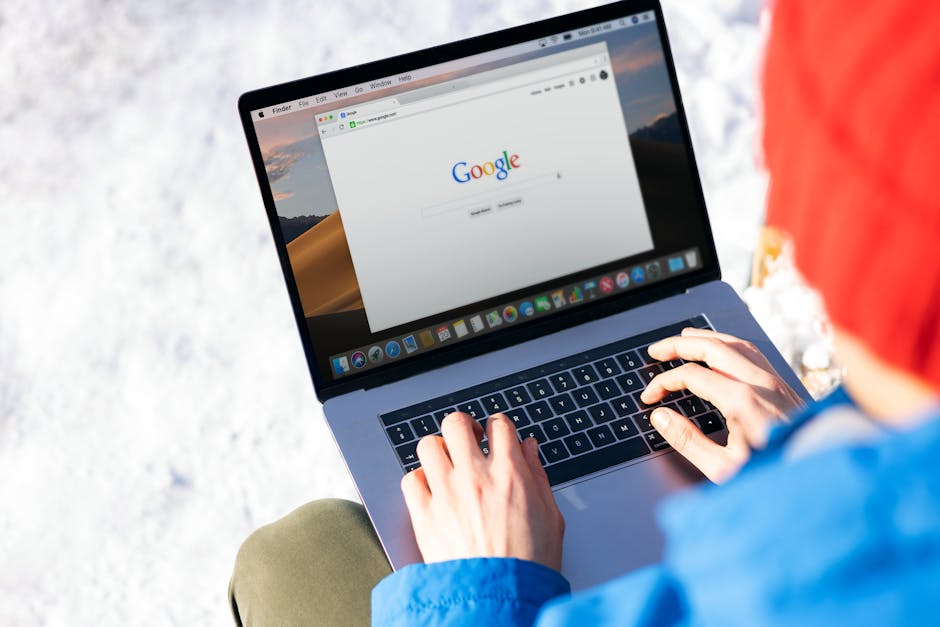
You've probably heard the term "SEO" thrown around a lot. Maybe you've seen ads promising to "boost your rankings" or "drive more traffic." But what does search engine optimization actually mean? Is it just about keywords and backlinks, or is there more to it?
Here's the thing - most people get SEO wrong. They think it's a one-time fix or a shady trick to game the system. In reality, SEO is about understanding how search engines work and creating content that genuinely helps people find what they're looking for. It's not magic; it's a strategic process that can make or break your online presence.
I've worked with dozens of businesses on their SEO strategies, and I've seen firsthand how confusing it can be. Some think they need to stuff their pages with keywords, while others ignore SEO entirely and wonder why no one finds their website. The truth is somewhere in between. Let's break down what search engine optimization really means and why it matters more than ever.
📋 Key Facts at a Glance
- What it is: The process of improving a website's visibility in search engine results pages (SERPs) through organic (non-paid) methods.
- Key benefits: Increases organic traffic, builds credibility, and drives conversions without ongoing ad spend.
- Best for: Businesses, bloggers, and anyone with an online presence looking to attract more visitors.
- Quick tip: Focus on creating high-quality content that answers user questions - search engines reward helpful information.
📑 In This Article
What is Search Engine Optimization?
At its core, search engine optimization means optimizing your website so search engines like Google can understand what it's about and rank it appropriately for relevant queries. It's not about tricking algorithms; it's about making your content accessible, relevant, and valuable to both users and search engines.
Think of it this way: when someone types a question into Google, the search engine's job is to find the best possible answer. SEO helps ensure your website is that answer. It involves everything from the words on your page to how fast it loads on mobile devices. According to Google's Search Central documentation, their goal is to "organize the world's information and make it universally accessible and useful." SEO aligns with that goal by helping your information get found.
SEO has evolved dramatically over the years. In the early days, it was mostly about keyword stuffing and building as many links as possible. Today, it's much more sophisticated. Google's algorithms now consider hundreds of factors, including user experience, mobile-friendliness, and even how satisfied visitors are with your content. If people click on your link and immediately bounce back to search results, that's a signal your page might not be helpful.
The Three Main Pillars of SEO
Most experts break SEO down into three main areas: technical, on-page, and off-page. Each plays a crucial role in how search engines view your site.
Technical SEO is all about the behind-the-scenes stuff that makes your website crawlable and indexable. This includes site speed, mobile responsiveness, secure connections (HTTPS), and proper site structure. If your site takes forever to load or breaks on phones, you're fighting an uphill battle. Google's Page Experience update in 2021 made these factors even more important for rankings.
On-page SEO focuses on the content and HTML elements of your pages. This is where keywords, meta tags, headings, and internal linking come into play. But here's the catch - it's not just about sprinkling keywords everywhere. You need to create content that genuinely addresses what users are searching for. For example, if you're writing about "best running shoes," you should include detailed comparisons, user reviews, and buying advice, not just repeat the phrase over and over.
Off-page SEO is about signals from other websites that indicate your content is authoritative and trustworthy. The most well-known aspect is backlinks - links from other sites to yours. When reputable sites link to your content, it tells search engines that your information is valuable. But off-page SEO also includes social signals, brand mentions, and online reviews. It's essentially your website's reputation on the wider web.
Why SEO Matters More Than Ever
You might wonder if SEO is still relevant with the rise of social media and paid ads. The answer is a resounding yes. Organic search drives over 50% of all website traffic, according to BrightEdge research. That's more than social media, email, and paid search combined. When someone searches for something, they're actively looking for information - making them highly qualified visitors.
SEO also builds long-term value. Unlike paid ads that stop working when you stop paying, well-optimized content can continue to attract traffic for years. I've seen blog posts written five years ago still bringing in hundreds of visitors monthly because they answer common questions effectively. That's the power of sustainable SEO.
Another reason SEO matters is credibility. Users trust organic results more than ads. A 2022 survey by SlickText found that 70% of consumers click on organic results over paid ads when searching online. Ranking well for relevant terms positions your brand as an authority in your field.
Fair warning: SEO isn't a quick fix. It takes time to see results - typically 3-6 months for noticeable improvements. But the investment pays off. Businesses that prioritize SEO often see lower customer acquisition costs and higher conversion rates compared to relying solely on paid channels.
Frequently Asked Questions
I get questions about SEO all the time. Here are the most common ones with straight answers based on current best practices and research.
Q: How long does it take to see results from SEO?
This is probably the most common question I hear. The honest answer: it depends. For a new website with no existing authority, you might see some traffic within 3-4 months, but significant results typically take 6-12 months. For established sites making improvements, changes can show up in 1-3 months. Google needs time to crawl and index your content, and rankings improve gradually as you build authority. A 2022 study by Ahrefs found that only 5.7% of newly published pages rank in the top 10 within a year, highlighting the importance of patience and consistent effort. Don't expect overnight miracles - SEO is a marathon, not a sprint.
Q: Is SEO still worth it with all the algorithm updates?
Absolutely. In fact, algorithm updates make SEO more valuable, not less. Google makes thousands of updates each year, but their core goal remains the same: to deliver the best possible results to users. When you focus on creating genuinely helpful content and good user experiences, you're aligning with what Google wants to reward. The updates mainly target low-quality or manipulative tactics. If you're doing SEO right - focusing on users first - you shouldn't fear updates. They typically help quality sites rise and push spammy ones down. Think of algorithm updates as quality control that benefits those playing by the rules.
Q: Can I do SEO myself, or do I need to hire an expert?
You can definitely handle basic SEO yourself, especially if you're just starting out. Many aspects like keyword research, creating quality content, and optimizing meta tags don't require technical expertise. Google provides free tools like Search Console and Analytics that give you insights into how your site performs. However, as your site grows or if you're in a competitive industry, hiring an expert might make sense. Technical SEO issues, advanced link building, and complex strategy often benefit from professional experience. My advice: start with the basics yourself to understand the fundamentals, then consider bringing in help for specialized tasks or if you're not seeing results after consistent effort.
Q: How much does SEO cost?
SEO costs vary widely depending on your approach. Doing it yourself mainly costs time - you'll need to learn and implement strategies. If you hire an agency or freelancer, prices range from $500 to $10,000+ per month based on the scope of work. Small businesses might spend $1,000-$3,000 monthly for basic services, while larger enterprises often invest $5,000-$20,000+. Remember that SEO is an ongoing investment, not a one-time expense. The real question isn't "How much does it cost?" but "What's the return?" Effective SEO can deliver traffic and customers at a lower cost than many paid channels over time. Just be wary of providers promising guaranteed #1 rankings - no one can legitimately promise that.
Q: What's the difference between SEO and SEM?
SEO (Search Engine Optimization) focuses on organic, non-paid search results. SEM (Search Engine Marketing) includes both organic SEO and paid search advertising (like Google Ads). Think of SEO as the long-term strategy to build sustainable traffic, while paid search gives you immediate visibility. Many businesses use both: paid ads for quick results and specific campaigns, plus SEO for ongoing organic growth. The key difference is that SEO results accumulate over time and continue working without ongoing payment, while paid traffic stops when you stop paying. A balanced approach often works best - use paid to test keywords and gain initial traction, then optimize those terms organically through SEO.
✅ Key Takeaways
- SEO means optimizing your website to rank higher in organic search results by creating valuable, accessible content.
- Technical, on-page, and off-page SEO work together to improve visibility and authority.
- Organic search drives over half of all website traffic and builds long-term value without ongoing ad spend.
- Results take time (typically 3-12 months) but offer sustainable growth and credibility.
- Focus on user experience and quality content rather than trying to game the system.
Join the Discussion
Have questions or insights to share?
Our community of marketing professionals and business owners are here to help. Share your thoughts below!