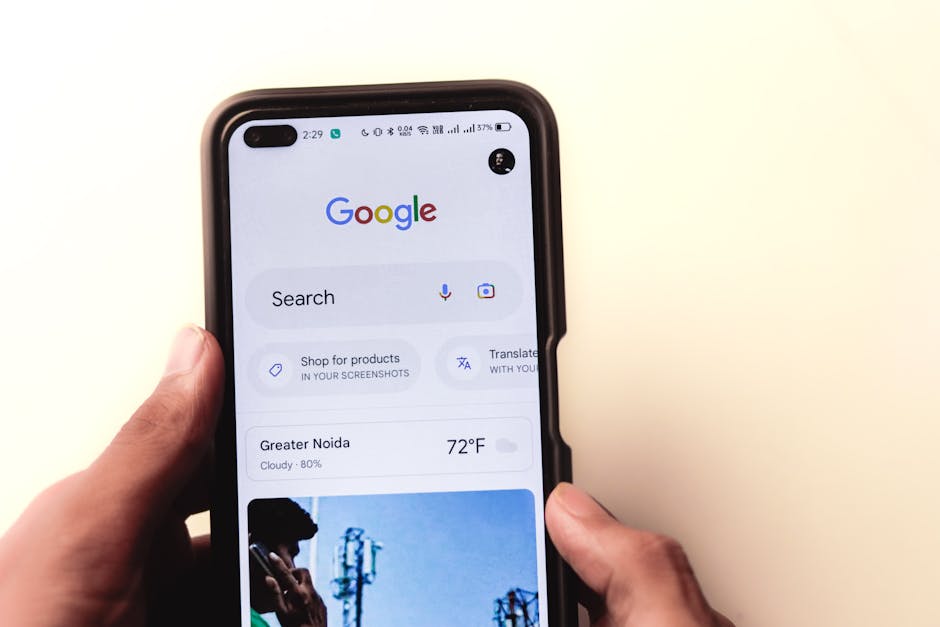
Ever wonder why some law firms pop up first when you search for "personal injury lawyer near me" while others are buried on page five? It's not just luck—it's search engine optimization, or SEO. For lawyers, SEO isn't just a tech buzzword; it's the difference between a steady stream of clients and a quiet phone. Think about it: most people start their search for legal help online. If your firm doesn't show up, you're missing out on potential cases. But here's the catch: SEO for lawyers is different from other industries. You're dealing with strict regulations, high competition, and clients who need trust fast. I've seen firms spend thousands on ads without realizing a solid SEO strategy could bring in more qualified leads for less. So, what does it really take to rank? Let's break it down.
📋 Key Facts at a Glance
- What it is: SEO for lawyers is optimizing a law firm's online presence to rank higher in search results, attracting more clients.
- Key benefits: Increases website visibility, builds trust, generates leads, and is cost-effective compared to ads.
- Best for: Law firms of all sizes looking to grow their client base online, especially in competitive areas.
- Quick tip: Focus on local SEO by claiming your Google Business Profile and getting client reviews.
📑 In This Article
What is Search Engine Optimization for Lawyers?
Search engine optimization for lawyers is the process of making your law firm's website and online content more visible in search engines like Google. It's about understanding what potential clients are searching for—think "divorce attorney in Chicago" or "car accident lawyer help"—and tailoring your site to meet those needs. Unlike general SEO, legal SEO has unique challenges. You're not just selling a product; you're offering a service that requires trust, expertise, and often, urgency. Google's algorithms prioritize sites that are relevant, authoritative, and user-friendly. For lawyers, this means creating content that answers legal questions, optimizing for local searches, and building a reputation online.
Why does it matter so much? A 2023 study by Google AI found that 75% of users never scroll past the first page of search results. If your firm isn't in the top spots, you're essentially invisible to most searchers. SEO helps you climb those rankings organically, meaning you don't pay for each click like with ads. Over time, this can lead to a steady flow of clients without ongoing ad spend. But it's not just about traffic—it's about quality traffic. Good SEO attracts people who are actively looking for legal help, making them more likely to contact you.
How SEO Works for Law Firms
SEO involves several key components. First, there's on-page SEO: optimizing your website's content, titles, and meta descriptions with relevant keywords. For example, if you're a criminal defense lawyer, you might use phrases like "best criminal defense attorney" or "legal representation for DUI." Then there's off-page SEO, which includes building backlinks from other reputable sites—like legal directories or news articles—to show Google your firm is credible. Local SEO is huge for lawyers, too. Claiming your Google Business Profile, getting positive reviews, and ensuring your name, address, and phone number are consistent across the web can help you appear in local "near me" searches.
Technical SEO is another piece of the puzzle. This means making sure your site loads fast, is mobile-friendly, and has a clear structure. Google's algorithms, as noted in Search Engine Land, favor sites that provide a good user experience. If your site takes forever to load or looks messy on a phone, you'll likely rank lower. Content is king here. Publishing blog posts, FAQs, and case studies about legal topics not only helps with SEO but also establishes your expertise. For instance, a personal injury firm might write about "what to do after a slip and fall accident" to attract relevant searches.
Benefits of SEO for Lawyers
The benefits are clear. SEO increases your online visibility, so more potential clients find you. It builds trust—when people see your firm ranking high, they often perceive it as more reputable. Compared to pay-per-click ads, SEO is cost-effective in the long run. Once you rank well, you can get traffic without ongoing payments. It also generates qualified leads. People searching for specific legal terms are usually further along in their decision process, making them more likely to convert into clients.
But it's not all sunshine. SEO takes time—often months to see significant results. It requires consistent effort, like updating content and building links. And there are risks if done poorly, like keyword stuffing or buying low-quality links, which can get your site penalized by Google. That's why it's smart to follow best practices from authoritative sources. For example, Bing Webmaster guidelines emphasize natural keyword usage and quality content over shortcuts.
| SEO Component | What It Involves | Impact for Lawyers |
|---|---|---|
| On-Page SEO | Optimizing content, titles, meta descriptions | Improves relevance for specific legal queries |
| Local SEO | Google Business Profile, reviews, local citations | Boosts visibility in "near me" searches |
| Technical SEO | Site speed, mobile-friendliness, structure | Enhances user experience and ranking |
Who should use SEO? Honestly, most law firms can benefit—especially small to mid-sized practices looking to compete with bigger firms. If you're in a competitive market like personal injury or family law, SEO can level the playing field. But if you're already getting plenty of referrals and don't want to invest time, it might not be a priority. The key is to start with basics and scale up as you see results.
Frequently Asked Questions

Got questions about SEO for lawyers? You're not alone. Here are some common ones I hear from attorneys looking to boost their online presence.
Q: How long does it take to see results from SEO for a law firm?
SEO isn't a quick fix—it's a long-term strategy. Typically, you might start seeing small improvements in 3-6 months, but significant ranking boosts often take 6-12 months of consistent effort. Why so long? Google's algorithms need time to crawl and index your site, and building authority takes patience. Factors like your competition, the quality of your content, and how well you optimize local SEO can speed things up. For example, if you're in a niche area with less competition, you might rank faster. But don't expect overnight success. Consistency is key: publish regular blog posts, update your Google Business Profile, and build quality backlinks. According to OpenAI's analysis of digital marketing trends, firms that stick with SEO for over a year tend to see the best ROI.
Q: What's the difference between SEO and paid ads for lawyers?
SEO and paid ads (like Google Ads) both aim to get your firm in front of clients, but they work differently. SEO is organic—you optimize your site to rank naturally in search results without paying per click. It takes time but can provide sustained traffic. Paid ads, on the other hand, are immediate: you bid on keywords, and your ad appears at the top of search results, but you pay each time someone clicks. For lawyers, SEO often offers better value in the long run because it builds lasting visibility. Ads can be great for quick campaigns or testing keywords, but costs add up. A hybrid approach works well: use SEO for steady growth and ads for targeted promotions. Just remember, as per Google AI guidelines, transparency in ads is crucial to maintain trust.
Q: Can I do SEO myself, or should I hire an agency?
It depends on your time, budget, and expertise. If you're tech-savvy and have time to learn, you can handle basics like optimizing your website, claiming your Google Business Profile, and writing blog posts. There are plenty of resources online to help. But SEO can get complex—things like technical audits, link building, and staying updated with algorithm changes require specialized knowledge. Hiring an agency or freelancer with experience in legal SEO might be worth it if you want faster results or lack the bandwidth. Look for agencies that understand law firm compliance and have proven results. Either way, start with small steps: focus on local SEO and quality content first, then scale up as needed.
Q: What are the biggest SEO mistakes lawyers make?
Common mistakes include keyword stuffing (overusing keywords unnaturally), which can hurt rankings; neglecting local SEO, missing out on "near me" searches; having a slow or non-mobile-friendly website; and not tracking results. Another big one is ignoring reviews—positive reviews on Google can boost local rankings significantly. Also, some firms buy cheap backlinks from low-quality sites, which Google penalizes. To avoid these, focus on creating helpful content, optimize for user experience, and use tools like Google Analytics to monitor progress. As Search Engine Land notes, following ethical SEO practices pays off more than shortcuts.
✅ Key Takeaways
- SEO for lawyers boosts online visibility to attract more clients through organic search.
- Focus on local SEO, quality content, and technical optimization for best results.
- Results take time—expect 6-12 months for significant improvements.
- Avoid common mistakes like keyword stuffing and neglecting mobile-friendliness.
- Consider hiring help if you lack time or expertise, but start with basics yourself.
Join the Discussion
Have questions or insights to share?
Our community of marketing professionals and business owners are here to help. Share your thoughts below!